
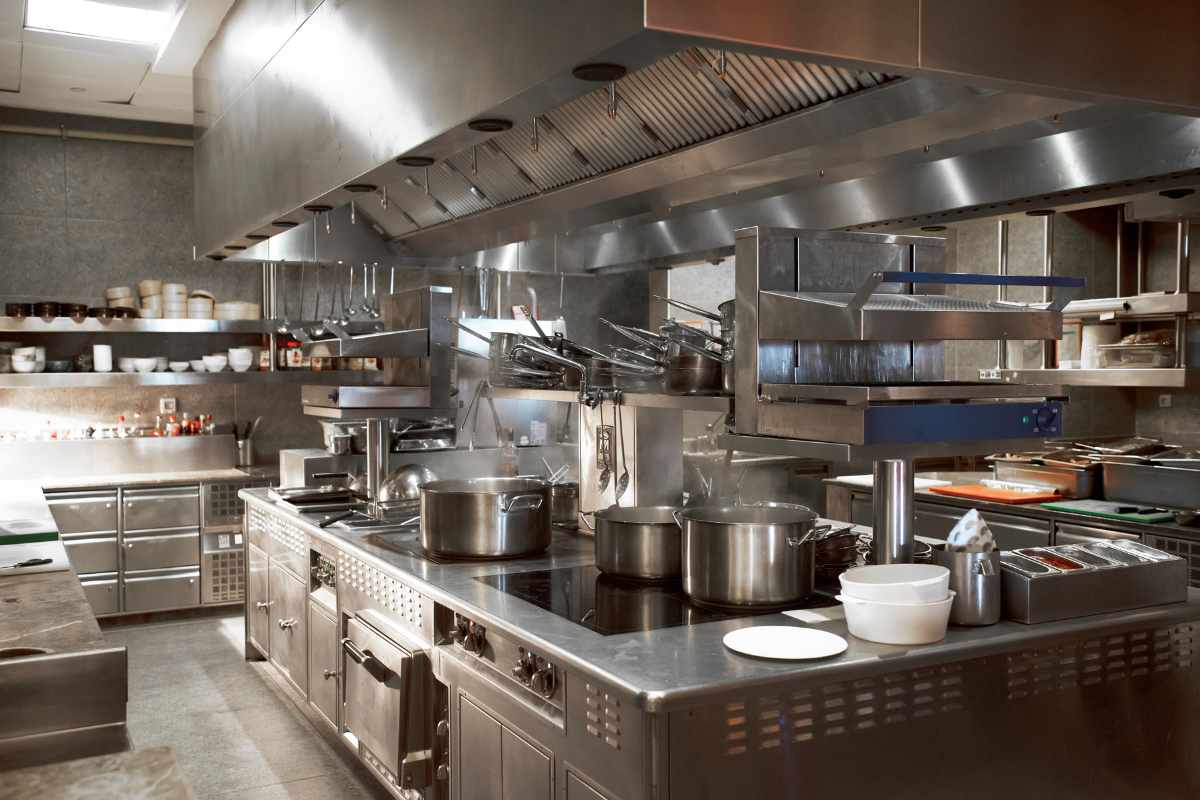
Why Choosing the Right Kitchen Equipment Matters in Kenya
Choosing the right kitchen equipment in Kenya directly affects how efficiently a kitchen operates and how long the equipment will serve its purpose. Many kitchens face constant pressure from daily cooking demands, making durability a critical factor in avoiding frequent breakdowns and replacements. Understanding choosing the right kitchen equipment in Kenya helps buyers reduce long-term costs while improving overall kitchen performance. This decision also plays a key role in supporting smooth operations in both homes and commercial food businesses such as restaurants, catering services, and hotels:
1. Importance of durability in Kenyan kitchens
Durable kitchen equipment withstands continuous use, high heat, and heavy workloads common in Kenyan cooking environments. It reduces the need for frequent repairs and replacements, saving both time and money. Strong materials like stainless steel also maintain hygiene standards for longer periods.
2. Cost-saving benefits of long-term equipment
High-quality equipment may cost more initially, but it significantly lowers long-term expenses. Buyers avoid repeated purchases and reduce maintenance costs over time. This makes it a more economical choice for both households and businesses.
3. Impact on efficiency in homes and commercial kitchens
Reliable kitchen equipment improves workflow by reducing delays caused by breakdowns or poor performance. It allows chefs and home users to prepare food faster and more consistently. This leads to better productivity and smoother kitchen operations.
4. Connection to business success (restaurants, catering, hotels)
For food businesses, the right kitchen equipment directly influences service quality and customer satisfaction. Efficient tools help maintain speed, consistency, and hygiene in food preparation. Over time, this contributes to stronger business reputation and higher profitability.
Features of High-Quality Kitchen Equipment
High-quality kitchen equipment stands out through its durability, performance, and ability to maintain efficiency under continuous use in demanding kitchen environments. Buyers must understand the key features that define quality to avoid frequent replacements and ensure long-term value. In Kenya’s growing food service and household kitchen sector, these features play a major role in guiding smart purchasing decisions when choosing the right kitchen equipment in Kenya:
1. Strong Fabrication and Build Quality
Well-fabricated kitchen equipment uses reinforced materials that provide stability and strength during daily use. Strong welding, solid joints, and heavy-duty construction prevent early breakdowns. This ensures the equipment performs reliably even under pressure.
2. Corrosion and Heat Resistance
High-quality equipment resists rust, moisture damage, and high cooking temperatures. This is especially important in busy kitchens where cleaning and heat exposure are constant. Such resistance helps maintain both performance and appearance over time.
3. Functional and Practical Design
Good kitchen equipment focuses on usability and efficiency in real kitchen workflows. Designs that support easy movement, storage, and operation improve productivity. Practical layouts also reduce unnecessary effort during food preparation.
4. Easy Maintenance and Hygiene Support
Quality equipment allows quick cleaning and simple maintenance routines. Smooth surfaces and smart designs reduce dirt buildup and improve hygiene standards. This is essential for both home and commercial kitchens.
5. Long Service Life and Reliability
Durable kitchen equipment performs consistently over long periods without frequent failure. This reduces repair costs and ensures uninterrupted kitchen operations. Reliability is a key factor in long-term investment value.
6. Safety and User-Friendly Construction
High-quality equipment includes safety-focused features such as stable bases, rounded edges, and secure fittings. These reduce the risk of accidents during busy kitchen operations. User-friendly designs also improve comfort and control during use.
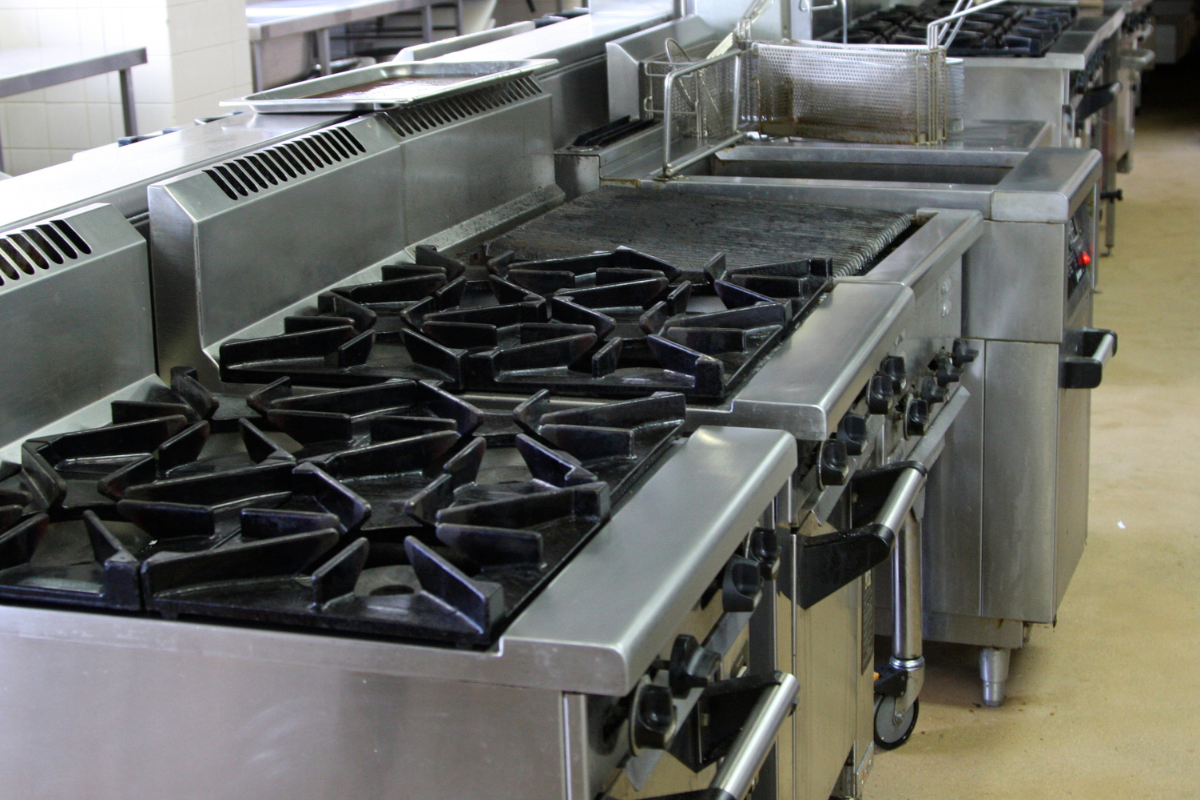
Mistakes to Avoid When Choosing Kitchen Equipment
Choosing kitchen equipment in Kenya requires careful attention to quality, durability, and long-term performance to avoid costly mistakes. Many buyers rush decisions without fully understanding how equipment will perform under daily use in home or commercial kitchens. Being aware of these common errors helps improve decision-making when learning how to choose the right kitchen equipment in Kenya:
1. Buying Based on Price Only
Focusing only on the lowest price often leads to poor-quality equipment that wears out quickly. While budget matters, extremely cheap options usually compromise durability and performance. This results in higher replacement costs in the long run.
2. Ignoring Material Quality
Material quality determines how well kitchen equipment performs over time. Low-grade materials are more likely to rust, break, or lose efficiency quickly. High-quality materials such as stainless steel offer better durability and hygiene.
3. Poor Space Planning
Failing to consider kitchen layout can lead to overcrowding and reduced efficiency. Proper planning ensures equipment fits well and allows smooth movement during food preparation. This is especially important in compact or busy kitchen environments.
4. Choosing Wrong Size or Capacity
Incorrect sizing affects both performance and usability in the kitchen. Oversized equipment wastes space, while undersized equipment slows down operations. Proper sizing ensures efficiency and better workflow management.
5. Ignoring Maintenance Needs
Some kitchen equipment requires regular care to maintain performance and hygiene. Ignoring maintenance needs can lead to faster wear and higher repair costs. Choosing easy-to-maintain equipment supports long-term efficiency and reliability.
Benefits of Choosing the Right Kitchen Equipment
Choosing the right kitchen equipment in Kenya plays a major role in improving how kitchens operate, whether at home or in commercial food businesses. Proper selection ensures that users get durable, efficient, and cost-effective solutions that support daily cooking and preparation needs. Understanding choosing the right kitchen equipment in Kenya helps buyers achieve long-term value and better overall performance:
1. Improved Kitchen Efficiency
The right kitchen equipment helps streamline food preparation and cooking processes. It reduces delays caused by poor performance or frequent breakdowns. This allows for smoother and faster kitchen operations.
2. Reduced Long-Term Costs
Quality equipment may require a higher initial investment but reduces repair and replacement costs over time. Durable materials ensure fewer breakdowns and lower maintenance expenses. This makes it more economical in the long run.
3. Better Hygiene and Safety
Properly designed kitchen equipment supports cleaner and safer cooking environments. Easy-to-clean surfaces help maintain hygiene standards. Strong and stable construction also reduces the risk of accidents.
4. Increased Productivity for Businesses
Efficient kitchen equipment allows staff to work faster and more effectively. This improves service delivery in restaurants, hotels, and catering businesses. Higher productivity directly contributes to better customer satisfaction.
5. Longer Equipment Lifespan
High-quality kitchen equipment is built to withstand heavy and continuous use. This extends its operational lifespan significantly. As a result, users enjoy reliable performance for many years.
Maintenance Tips for Long-Term Use
Proper maintenance plays a key role in ensuring that kitchen equipment in Kenya remains durable, efficient, and safe for long-term use. Even the best-quality equipment can wear out quickly without the right care practices. Following consistent maintenance routines helps users protect their investment when learning how to choose the right kitchen equipment in Kenya and keep it performing optimally:
1. Daily Cleaning Practices
Regular cleaning after each use helps remove food residue, grease, and dirt buildup. This prevents contamination and keeps equipment in good working condition. Consistent cleaning also supports better hygiene in the kitchen.
2. Proper Drying to Prevent Rust
Drying kitchen equipment thoroughly after washing helps prevent rust and corrosion. Moisture left on metal surfaces can weaken durability over time. Proper drying extends the lifespan of equipment significantly.
3. Safe Storage Methods
Storing kitchen equipment in clean, dry, and organized spaces prevents damage and contamination. Proper storage also reduces unnecessary wear and tear. This helps maintain both functionality and appearance.
4. Routine Inspection
Regular checks help identify early signs of damage, loose parts, or wear. Early detection prevents major breakdowns and costly repairs. This ensures consistent performance in daily kitchen operations.
5. Using Correct Cleaning Materials
Using non-abrasive and appropriate cleaning agents protects equipment surfaces from damage. Harsh chemicals or rough materials can reduce durability. Proper cleaning products help maintain quality and extend usability.
Why Locally Fabricated Kitchen Equipment Is a Better Choice
Locally fabricated kitchen equipment in Kenya has become a preferred option for both households and commercial kitchens due to its practicality, durability, and alignment with local usage needs. These products are designed with real kitchen conditions in mind, making them more reliable for everyday cooking, preparation, and service operations. Understanding how to choose the right kitchen equipment in Kenya often leads buyers to consider locally made solutions for better long-term value:
1. Built for Kenyan conditions
Locally fabricated kitchen equipment is designed to handle the heat, workload, and cooking styles common in Kenyan kitchens. This ensures better performance in both home and commercial environments. It also reduces the risk of frequent breakdowns caused by unsuitable design.
2. More affordable long-term
Local fabrication reduces importation, shipping, and middleman costs, making equipment more affordable. Despite the lower cost, quality remains strong and reliable. This results in better long-term savings for buyers.
3. Easier maintenance and repair
Locally made equipment is easier to repair because spare parts and fabrication services are readily available. This reduces downtime in busy kitchens. It also extends the usable life of the equipment.
4. Stronger durability
These products are built using heavy-duty materials that withstand continuous use. Strong welding and reinforced structures improve lifespan and performance. This makes them suitable for demanding kitchen environments.
5. Supports local manufacturing
Buying locally fabricated kitchen equipment helps support Kenyan manufacturers and skilled fabricators. It contributes to job creation and growth in the local economy. This makes it a more impactful purchasing decision beyond just functionality.
FAQs About Choosing Kitchen Equipment in Kenya
Understanding how to choose the right kitchen equipment in Kenya often raises important questions for buyers setting up or upgrading their kitchens. This section answers the most common concerns to help you make informed decisions for both home and commercial kitchen needs:
1. What should I consider first when choosing kitchen equipment in Kenya?
The first thing to consider is the intended use, whether for home or commercial purposes. This helps you determine the right size, strength, and capacity needed. You should also consider durability and material quality to ensure long-term performance.
2. Why is stainless steel preferred for kitchen equipment?
Stainless steel is preferred because it is strong, hygienic, and resistant to rust and corrosion. It also withstands heat and heavy usage, making it ideal for Kenyan kitchen environments. This makes it a common choice in durable kitchen setups.
3. How do I know if kitchen equipment is durable enough?
Durable kitchen equipment usually has strong fabrication, solid welding, and heavy-duty materials. It should not bend, rust easily, or break under regular use. Checking build quality and supplier reputation also helps ensure durability.
4. Is locally fabricated kitchen equipment better than imported ones?
Locally fabricated equipment is often better suited for Kenyan conditions and usage demands. It is easier to maintain, more affordable long-term, and offers customization options. This makes it a practical choice for many buyers.
5. How important is kitchen size when selecting equipment?
Kitchen size is very important because it affects movement, efficiency, and workflow. Oversized equipment can cause overcrowding, while undersized equipment may reduce productivity. Proper planning ensures better space utilization.
6. What type of kitchen equipment is best for commercial use?
Commercial kitchens require heavy-duty equipment such as reinforced cooking units, prep stations, and storage systems. These should handle continuous use without frequent breakdowns. Durability and efficiency are key priorities.
7. How can I reduce maintenance costs for kitchen equipment?
You can reduce maintenance costs by choosing high-quality materials and cleaning equipment regularly. Proper usage and safe storage also help extend lifespan. Avoiding low-quality products reduces long-term repair expenses.
8. Why is maintenance important for kitchen equipment?
Maintenance ensures equipment remains safe, efficient, and long-lasting. Regular cleaning and inspection prevent damage and breakdowns. This is especially important in busy kitchen environments.
9. Can kitchen equipment be customized in Kenya?
Yes, many locally fabricated kitchen equipment suppliers offer customization options. This allows buyers to adjust size, design, and features to match their kitchen needs. It improves efficiency and space usage.
10. What is the biggest mistake people make when choosing kitchen equipment?
The biggest mistake is focusing only on price instead of quality and durability. Cheap equipment often wears out quickly and leads to higher replacement costs. It is better to invest in long-term value.
11. How does kitchen equipment affect business performance?
Good kitchen equipment improves efficiency, speed, and consistency in food preparation. This leads to better customer service and higher productivity. It directly impacts overall business success.
12. Where can I buy reliable kitchen equipment in Kenya?
You can buy from trusted local fabricators and suppliers who specialize in durable kitchen solutions. Locally made equipment is often more reliable and suited for Kenyan conditions. Always choose suppliers known for quality and consistency.
 No products in the cart.